

.png)
.png)
.png)
.png)
.png)
.png)
.png)

.png)


 Beginner
Introduction to Design Thinking
Bestseller

This advanced course is perfect for students who are ready to take charge and lead. You’ll learn how to handle a complete design thinking project — from understanding people’s needs to building and testing final solutions. You’ll also learn how to guide teams, work with real users, and present your ideas confidently.
By the end of this course, you’ll be able to manage your own projects, mentor others, and create designs that truly make a difference.
By the end of this course, you will be able to:
Lecture 1: Introduction to Design Thinking
(Definition, origin, and relevance in today’s world)
Lecture 2: Why Design Thinking Works
(Human-centered problem solving explained)
Lecture 3: Design Thinking vs Traditional Problem Solving
(Key differences and advantages)
Lecture 4: The Design Thinking Mindset
(Empathy, curiosity, experimentation, and collaboration)
Lecture 5: Overview of the Design Thinking Framework
(Understanding the 5-stage process)
Lecture 1: Empathy in Design Thinking
(Understanding user behavior, needs, and emotions)
Lecture 2: User Research Methods
(Observation, interviews, and contextual inquiry)
Lecture 3: Conducting Effective User Interviews
(Question framing and active listening)
Lecture 4: Identifying User Pain Points and Needs
(Extracting meaningful insights)
Lecture 5: Creating User Profiles and Personas
Lecture 1: Synthesizing Research Findings
Lecture 2: Defining the Core Problem
(From observations to insights)
Lecture 3: Writing Problem Statements
(User-centric approach)
Lecture 4: “How Might We” Statements
(Opening space for innovation)
Lecture 5: Validating and Refining the Problem Definition
Lecture 1: Introduction to Ideation
Lecture 2: Brainstorming Techniques and Best Practices
Lecture 3: Creative Thinking Tools
(Mind mapping, SCAMPER, and rapid ideation)
Lecture 4: Evaluating and Shortlisting Ideas
Lecture 5: Selecting Feasible and Impactful Solutions
Lecture 1: Prototyping in Design Thinking
Lecture 2: Types of Prototypes
(Low-fidelity vs high-fidelity)
Lecture 3: Building Rapid Prototypes
Lecture 4: Iterating and Improving Prototypes
Lecture 5: Preparing Prototypes for User Testing
Lecture 1: Purpose of Testing in Design Thinking
Lecture 2: User Testing Methods
Lecture 3: Collecting and Analyzing Feedback
Lecture 4: Iteration and Design Improvements
Lecture 5: Validating the Final Solution
Lecture 1: Design Thinking in Education
Lecture 2: Design Thinking in Business and Startups
Lecture 3: Design Thinking in Technology and Innovation
Lecture 4: Team Collaboration and Workshop Design
Lecture 5: Real-World Case Studies
Your feedback matters! Share your learning experience to help other students choose their path and improve our community.
Have a question before you buy? Ask anything about the course and our team or community will reply directly in the thread below.
Please login as a student to ask questions, read threads, and join the discussion about this course.
Everything you need to know about this course

You need a working internet connection to watch videos, join online classes, and get help when needed.

A personal computer is essential for hands-on practice and project work.

A web browser like Chrome or Firefox is needed to open learning websites and access course content online.
A structured path designed to take you from basics to mastery with clarity, confidence, and real-world impact.
Start with fundamental concepts and build a strong foundation.
Expand your knowledge and start building practical projects.
Dive deeper into specialized areas and master complex techniques.
Achieve expert-level proficiency and innovate with your skills.
Discover more similar content to expand your knowledge and sharpen your skills.
Beginner
 Advanced
 Beginner
Intermediate
Advanced
Beginner
Intermediate
Advanced
Beginner
Intermediate
Advanced
Beginner
Intermediate
Advanced
Explore the most popular programs across diverse fields and start your skill-building journey today!
 Trending
Beginner
Trending
Beginner
![My Money My Future - Financial Literacy [For Classes 6-8]](https://vilab.co.in/assets/panelImagesUpload/Courses/Thumbnail.png) Trending
Beginner
Trending
Beginner
.png) Trending
Intermediate
Trending
Intermediate
 Trending
Beginner
Trending
Beginner
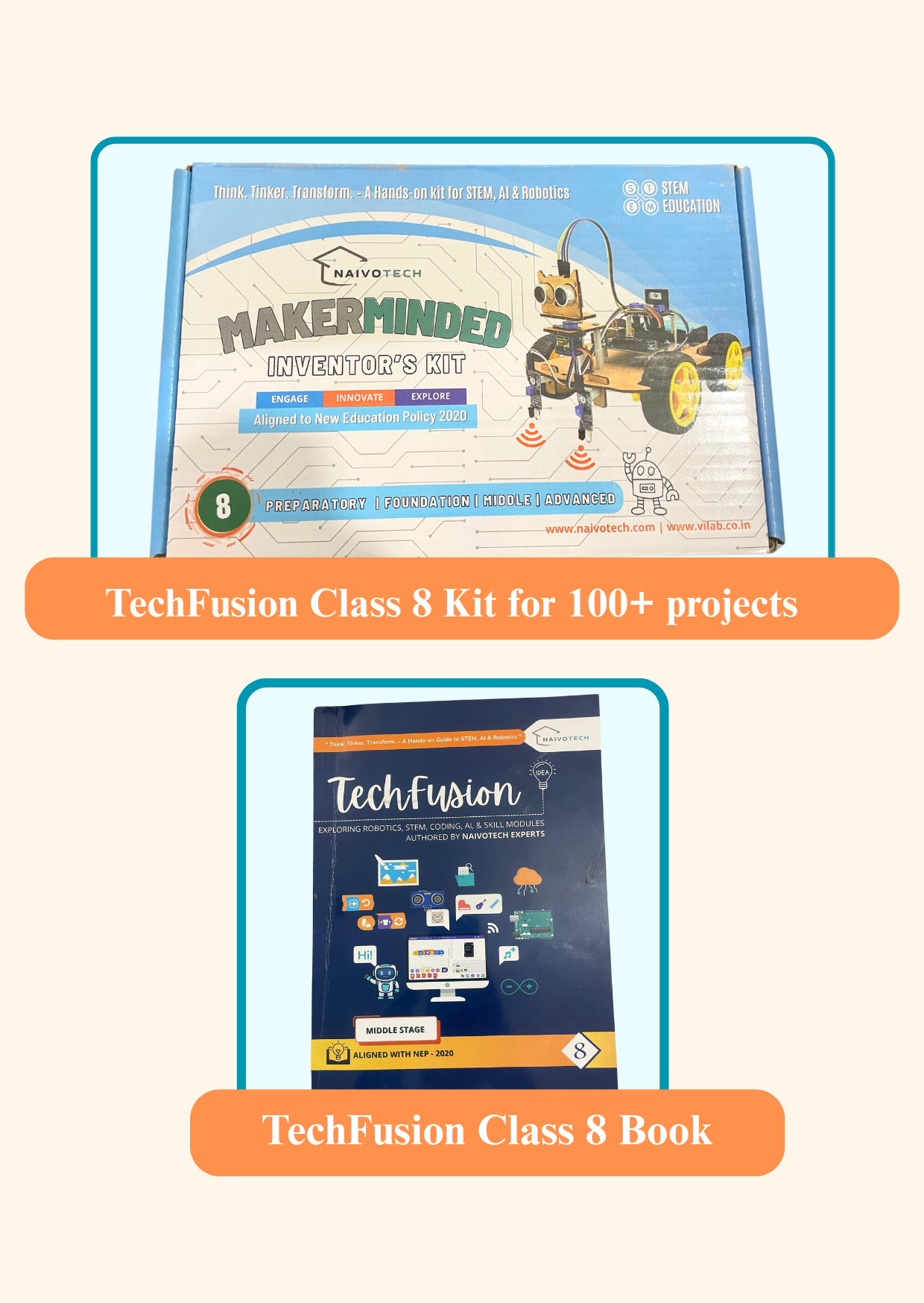
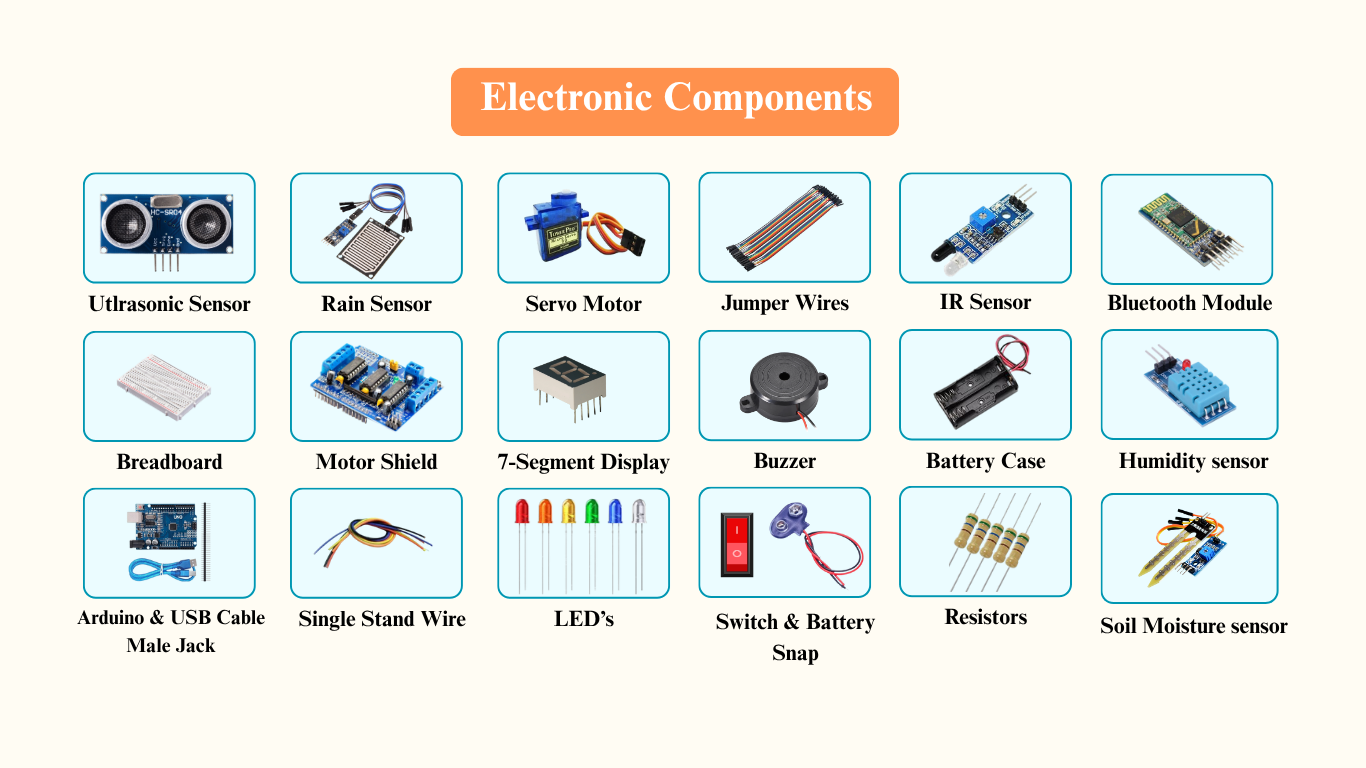
Check out our best products made to make learning fun, easy and super exciting for everyone.
![STEM and Robotics [TechFusion Level - 1]](https://vilab.co.in/assets/panelImagesUpload/productkit/21.png)
 (3).png)
 (500 x 505 px) (3).png)
Everything you need to know about Design Thinking in Action
This course focuses on practical implementation of Design Thinking. You’ll learn how to turn ideas into real solutions using creative strategies, teamwork, and user-centered design methods.
Unlike theory-based programs, this course emphasizes hands-on learning. You’ll apply each stage of Design Thinking — from empathy to testing — through real-world projects and challenges.
You’ll explore empathy mapping, brainstorming, prototyping, user testing, and storytelling — all designed to help you design impactful and user-friendly solutions.
Certificate programs generally issue a completion certificate upon successfully finishing all required modules and assessments; external “certifications” (industry exams) are distinct and may require separate testing with a third party body.
The course includes both live and recorded sessions. Recorded lessons provide flexible, self-paced learning, while scheduled live classes enable real-time interaction, Q&A, and guided activities.
Yes. Post doubts in the Doubts section or during live classes; mentors reply asynchronously or schedule a live 1:1/Group session if a detailed discussion is required, and doubts are typically resolved within 24–48 hours.
Yes. Use the Break & Resume option to pause anytime and continue exactly where progress was left off, including lessons, quizzes, and assignments as per the policy.
Our academic counselors are available 24/7 to help you choose the right path for your career goals.
Your information is 100% secure with us.